
Aromatic Allure: The Taste and History of Pandan
Pandan (Pandanus amaryllifolius) is a tropical plant native to Southeast Asia and some parts of Oceania. Its long, slender leaves boast a vibrant green hue and are the culinary workhorse we’re focusing on. Pandan doesn’t have a strong, singular taste. Instead, it infuses dishes with a subtle, complex aroma often described as buttery, pandan-y (of course!), and slightly floral. This unique fragrance adds depth and a touch of the tropics to any recipe.
Pandan has been a staple ingredient in Southeast Asian cooking for centuries. Evidence suggests its use dates back as far as the 16th century, with records mentioning its presence in Thai and Malay recipes. Today, pandan remains a beloved ingredient across Southeast Asia, lending its magic to sweet and savoury dishes alike.
Beyond Green: The Vibrant Uses of Pandan
Pandan’s versatility is truly impressive. Here are some captivating ways it’s utilized in Southeast Asian cuisine:
- Flavour Infused: Pandan leaves are commonly knotted and added to simmering broths, rice dishes like fragrant coconut rice, and curries to impart their subtle sweetness and aroma.
- Natural Food Colouring: The vibrant green hue of pandan leaves makes them a natural food colouring. They are used to create stunning green desserts like pandan chiffon cake and colourful sticky rice.
- Aromatic Wrappings: Pandan leaves can be used as fragrant wrappers for steamed fish or dumplings, adding a delicate touch of flavour during cooking.
- Fragrant Scents: In some cultures, pandan leaves are even used to infuse water or teas with their calming aroma.
Complementary Companions: Pairing Pandan with Other Flavours
Pandan shines when paired with other Southeast Asian ingredients. Here are some flavour combinations that truly sing:
- Coconut: The creamy sweetness of coconut milk complements the subtle vanilla-like notes of pandan beautifully. Try using them together in curries, desserts, or rice dishes.
- Sweeteners: Pandan pairs well with palm sugar, jaggery, and brown sugar, enhancing their natural sweetness without overpowering the delicate pandan aroma.
- Spices: Warmer spices like cardamom, cloves, and ginger can add depth and complexity to dishes flavoured with pandan.
Unlocking the Magic of Pandan: Finding and Using It
Fresh pandan leaves are readily available in Southeast Asian grocery stores and some well-stocked supermarkets. Look for vibrant green, firm leaves. If fresh leaves are unavailable, you can sometimes find frozen pandan leaves or pandan essence. However, fresh leaves offer the most robust flavour.
To use fresh pandan leaves, you can either knot them whole or cut them into smaller pieces depending on the recipe. Once used, they will infuse their flavour for a set amount of time, which will vary depending on the dish. Simply remove the leaves before serving.
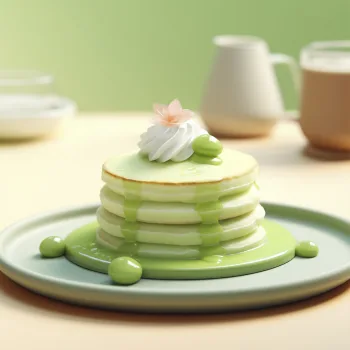
Quick and Easy Pandan Pancakes
Ingredients
Instructions
- In a large mixing bowl, whisk flour, baking powder and salt until combined. Then add coconut milk, egg, melted butter, maple syrup and pandan extract and mix just until combined. Do not over mix.
- Then in a large pan set on medium heat, lightly grease your pan with butter using a clean paper towel.
- Pour ¼ cup of the batter into the center of the pan. Let the batter spread into a circle and fry until the bottom of the pancake is golden brown and bubbles form all over the pancake
- Flip the pancake over and cook on the other side until golden brown. Once cooked, remove off heat.
- Serve pancakes with fresh fruit and maple syrup. Enjoy!
A Fragrant Journey: The Legacy of Pandan
Pandan is more than just an ingredient; it’s a symbol of Southeast Asian culinary heritage. Its unique aroma and subtle flavour continue to captivate home cooks and chefs alike. So next time you’re exploring Southeast Asian cuisine, be sure to seek out the magic of pandan. You might just discover your new favourite flavour!